
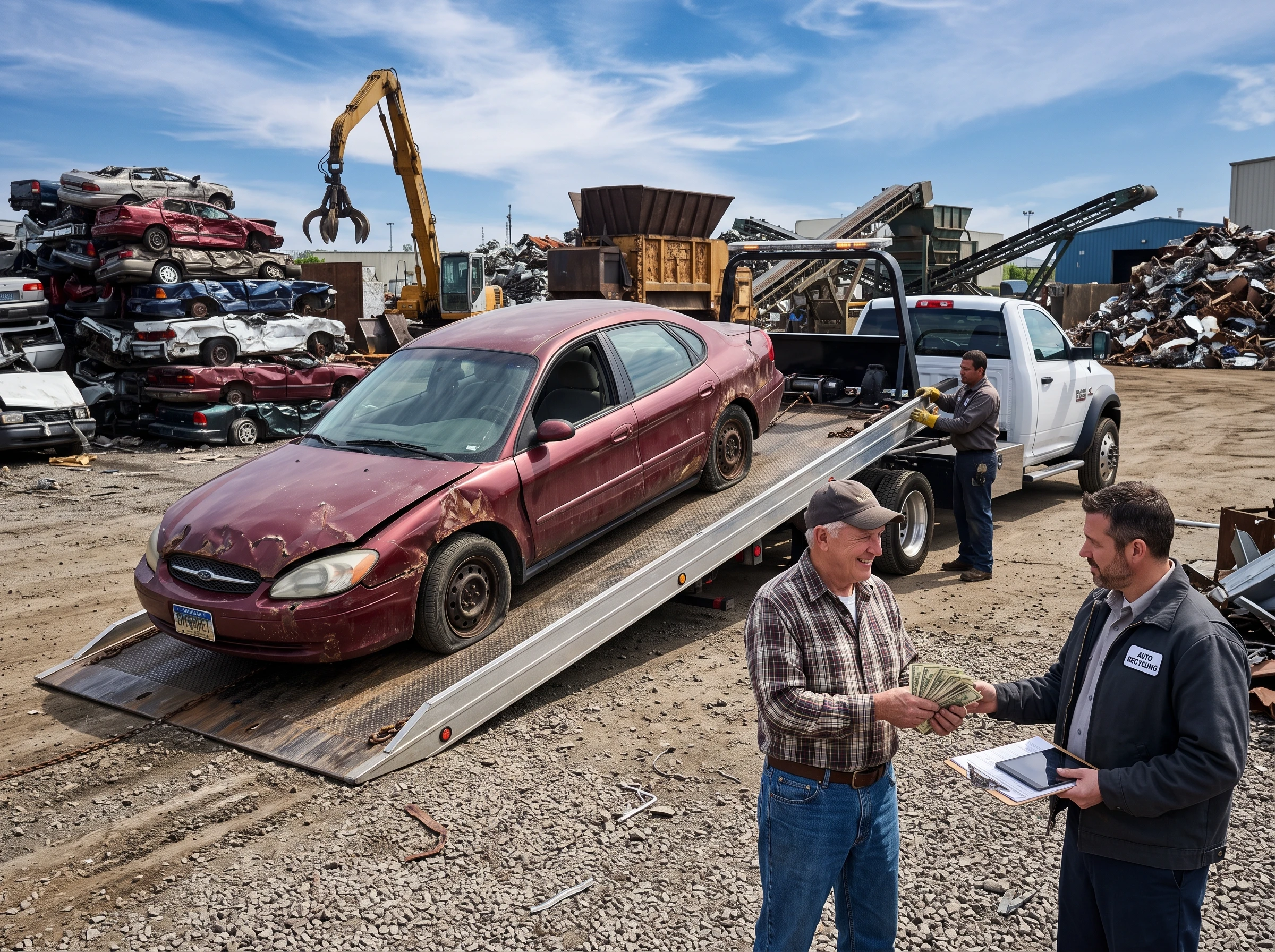
Northwest RV’s and Autos provides a straightforward process for individuals looking to sell damaged, unwanted, older, high-mileage, or non-running vehicles. We begin by reviewing the basic information about the automobile, including its year, make, model, condition, ownership status, location, accessibility, and any known mechanical or body damage. These details help create a clearer understanding of the vehicle before the next stage is arranged.
Junk vehicles can remain unused for many reasons. Some may have major engine or transmission problems, accident damage, missing parts, extensive wear, title concerns, or repair needs that no longer make practical sense for the owner. Others may simply be taking up space after years of storage. Our process is designed to organise the available information and help customers understand whether the vehicle can be considered.
The initial review may include questions about whether the vehicle starts, rolls, steers, has all major components, contains fire or flood damage, or is accessible for inspection and removal. Accurate details help reduce confusion and allow the condition to be evaluated more effectively. Photographs can also support the review by showing visible damage, body condition, tyres, interior, and surrounding access.
Selling a junk or non-running vehicle privately can be difficult because many buyers expect the car to be roadworthy, accessible, and ready for immediate use. An organised review process helps focus on the actual vehicle condition and reduces the need for repeated advertisements, enquiries, and unsuccessful viewings.
Every unwanted vehicle presents different circumstances. A damaged car involved in an accident may require a different review from an older vehicle with engine failure, a partially dismantled automobile, or a car that has remained in storage. We consider its completeness, condition, documentation, accessibility, and movement requirements rather than relying only on age or mileage.
Clear communication is important throughout the process. Sellers should disclose known damage, missing parts, mechanical failure, warning lights, accident history, fire or flood exposure, title concerns, and whether the vehicle can roll or steer. Providing accurate details early helps support a more practical inspection and reduces avoidable delays.
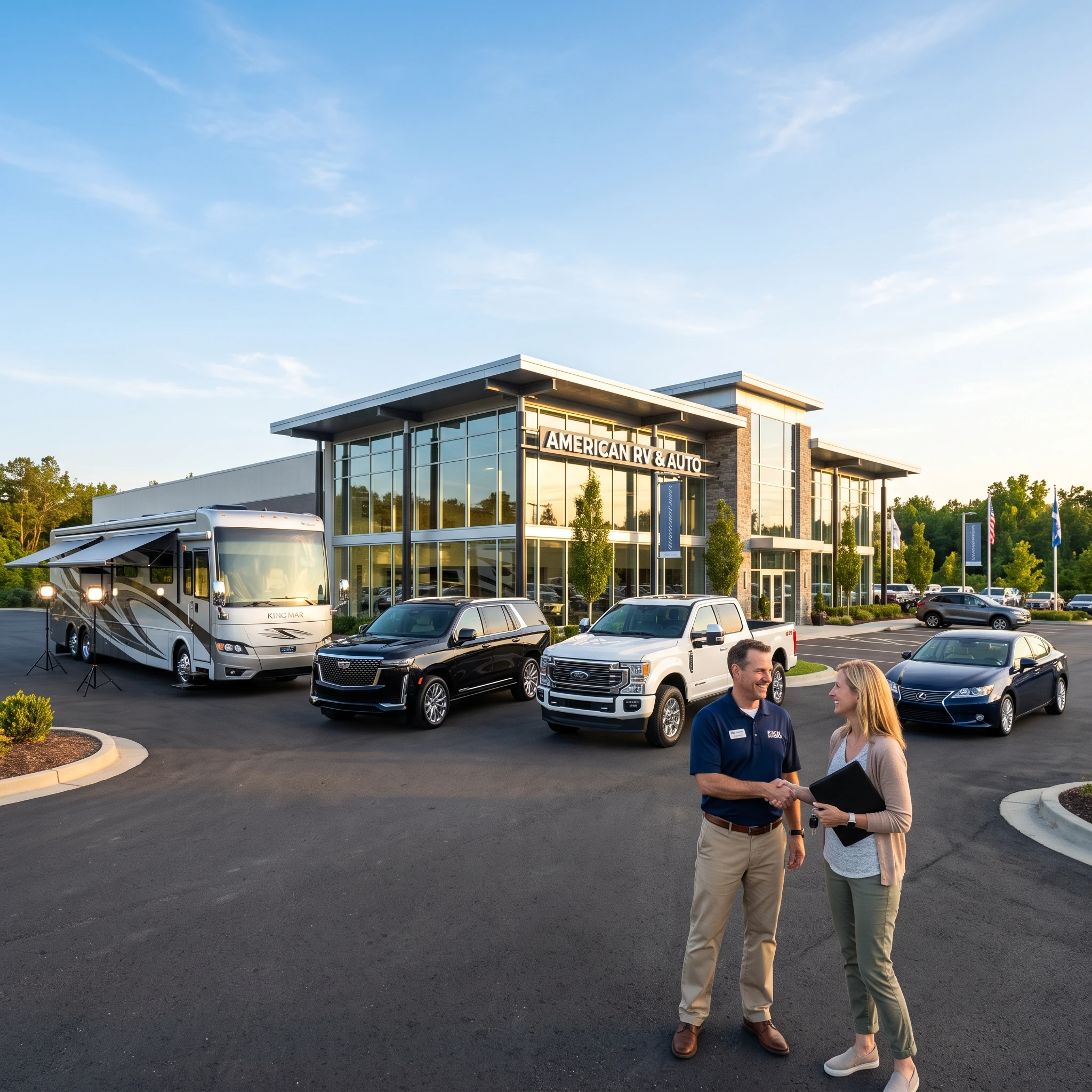
We consider damaged, older, high-mileage, unwanted, incomplete, and non-running cars, trucks, SUVs, vans, and other automobiles. The review depends on condition, documentation, accessibility, and whether major components remain with the vehicle.
No, a junk vehicle does not always need to start or drive. However, its ability to roll, steer, and remain accessible should be explained because these conditions may affect inspection and removal arrangements.
Useful details include the year, make, model, condition, ownership status, known damage, missing parts, current location, accessibility, and whether the vehicle starts, rolls, or steers. Photographs may also support the review.
Accident-damaged vehicles may still be considered. The extent of the body, frame, mechanical, fire, flood, or interior damage should be disclosed clearly so the vehicle can be evaluated appropriately.
Ownership documents and valid identification are commonly required. Additional records may be needed when the vehicle has a lien, shared ownership, unclear title status, or other circumstances affecting the transfer.
Removal depends on the vehicle’s location, access, wheel condition, steering, keys, and overall damage. These details are reviewed before arrangements are made so the required equipment and access needs can be considered.