

Northwest RV’s and Autos provides a practical process for individuals looking to sell cars, trucks, SUVs, vans, fleet vehicles, and other automobiles. We begin by reviewing the basic vehicle information, including the year, make, model, mileage, condition, ownership status, current operation, and any known damage or modifications. These details help create a clearer understanding of the vehicle before the next stage is arranged.
Selling a vehicle privately can involve advertising, repeated enquiries, test drives, negotiation, documentation, and coordination with different buyers. Our process is designed to organise these steps and reduce unnecessary complications. Whether the vehicle is regularly used, older, damaged, modified, no longer needed, or difficult to sell through traditional methods, we focus on reviewing the individual circumstances clearly.
The initial review may include questions about the engine, transmission, brakes, tyres, body condition, interior wear, warning lights, accident history, title status, and current mechanical operation. Accurate information helps identify what may need to be confirmed during an inspection. Photographs, maintenance records, and repair documents can also support the evaluation when available.
Selling a car independently can require creating listings, answering repeated questions, arranging viewings, managing test drives, negotiating with potential buyers, and preparing ownership documents. An organised process can reduce the time spent handling these tasks and help sellers focus on providing accurate information about the vehicle.
Every vehicle has a different condition, mileage, use history, and maintenance background. A family car may require a different review from a work truck, commercial van, modified SUV, or older fleet vehicle. We consider the vehicle category, overall condition, age, mileage, accessibility, and documentation rather than treating every automobile the same way.
Clear communication is maintained throughout the review. Sellers are encouraged to disclose known mechanical concerns, warning lights, accident history, body damage, title issues, modifications, missing components, or long periods of storage. Providing these details early helps reduce confusion and supports a more accurate inspection.
The documentation stage is also important. Ownership records, identification details, lien information, and other relevant paperwork may need to be reviewed before the transaction can be completed. Missing or unclear documents can create delays, so sellers should gather available records before the final stage.
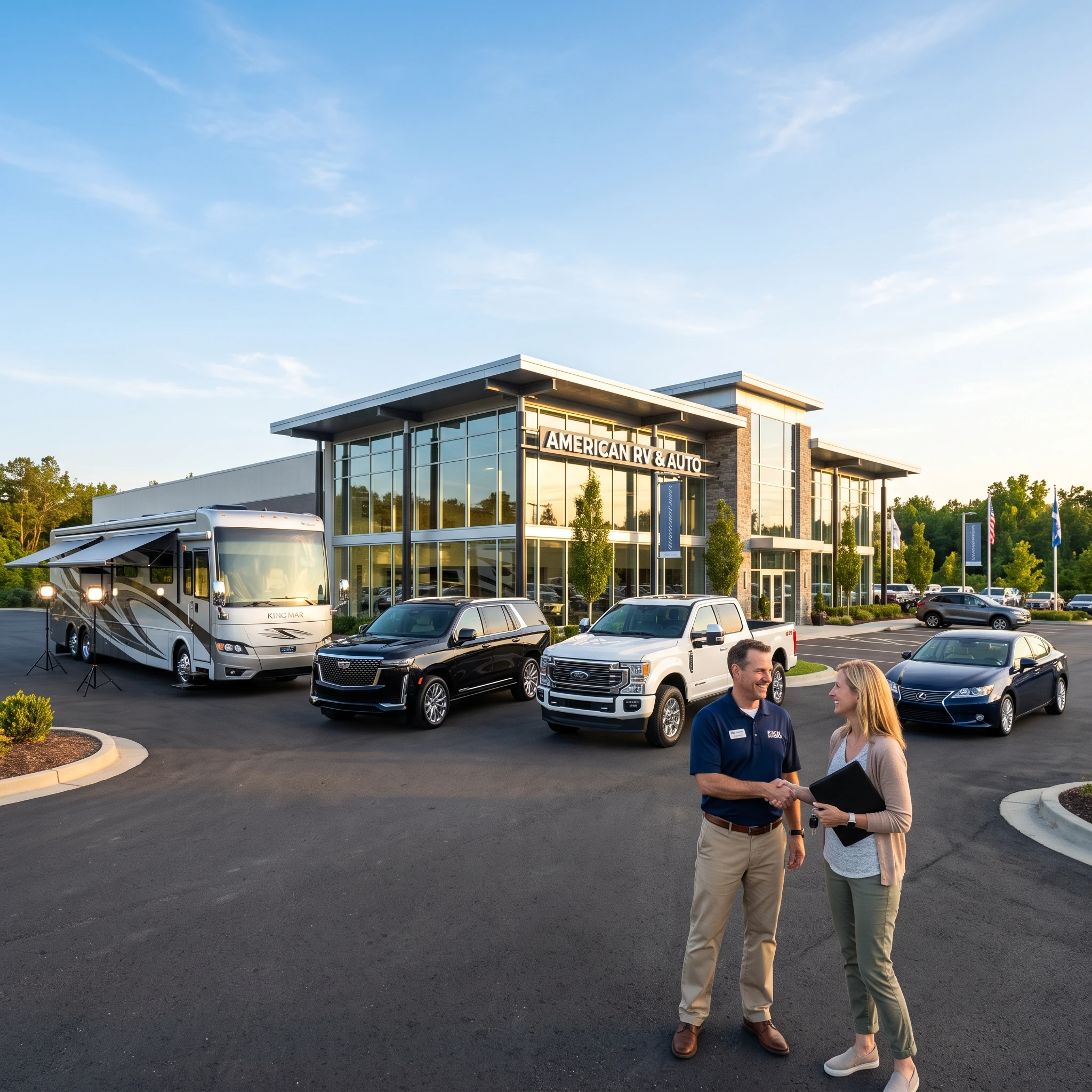
We consider cars, trucks, SUVs, vans, fleet vehicles, commercial units, modified automobiles, and other passenger vehicles. The review depends on the vehicle’s age, condition, documentation, accessibility, and current operation.
Useful details include the year, make, model, mileage, condition, ownership status, known damage, accident history, modifications, warning lights, and whether the vehicle is currently running. Photographs may also support the initial review.
Older, damaged, modified, high-mileage, or non-running vehicles may still be considered. The process depends on the extent of the damage, vehicle type, available documentation, accessibility, and overall condition confirmed during the review.
An inspection may be required to confirm the vehicle’s condition, mileage, identification details, documentation, and any mechanical or cosmetic concerns. This helps verify that the initial information provided is accurate.
Ownership documents and valid identification are commonly required. Additional records may be needed when the vehicle has a lien, shared ownership, title concerns, modifications, or other circumstances affecting the transfer.
A non-running vehicle may still be reviewed, but its location, accessibility, condition, documentation, and movement requirements must be considered. Sellers should explain these details clearly during the initial enquiry.